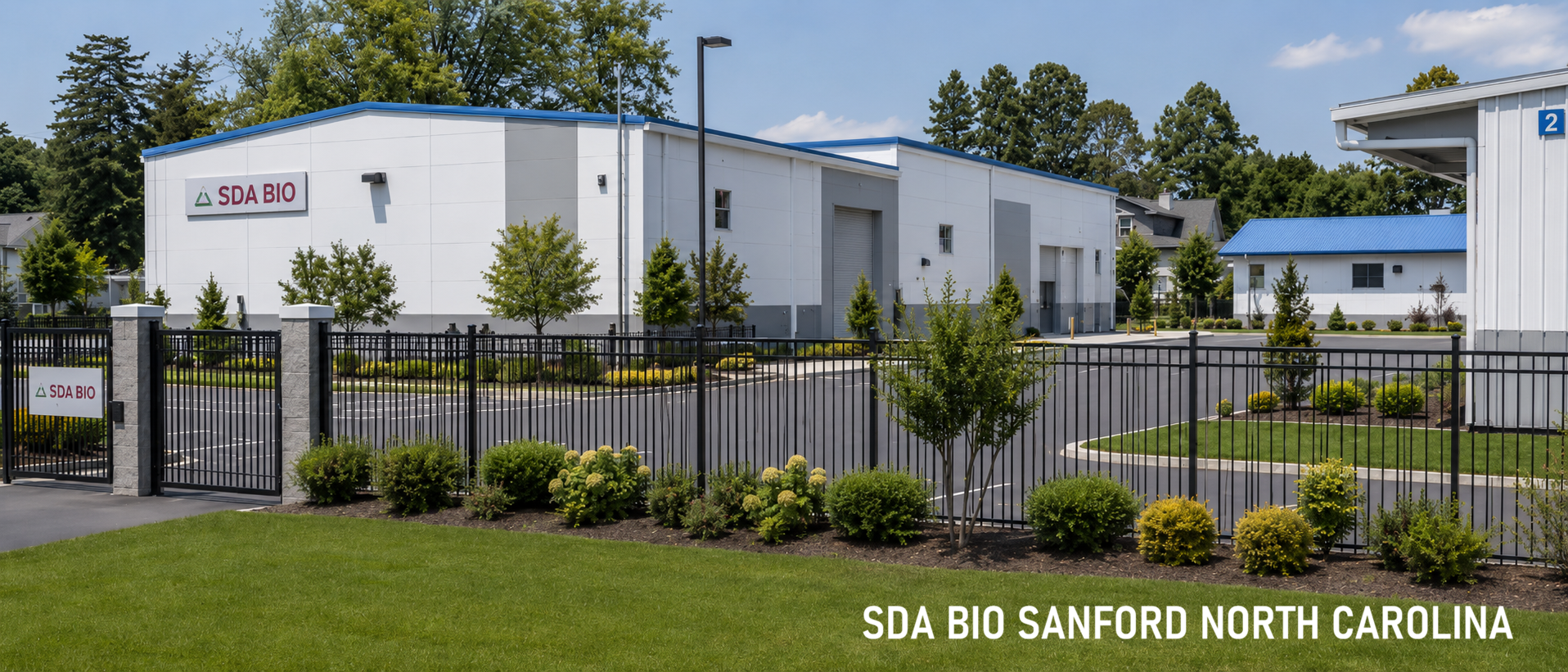
Let's Talk on Microsoft Meeting,Zoom, or Google Meeting, before you visit us at 331 Goldsboro Avenue, Sanford, NC 27330. In general, all new product license applications should contain the following information: Generic name of adjuvant (and Trade Name if applicable) Chemical composition of adjuvant (list all ingredients and proportions) Amount of completed/total adjuvant per dose of product Dose volume of product Animal species in which the product is to be used Route of administration (and specific anatomical site, if designated) Information regarding source, grade, quality of tests performed (if any) on each lot Slaughter withdrawal period proposed [at least 21 days is required as per title 9, Code of Federal Regulations (9 CFR), section 112.2(a)(8)] Other products for which the adjuvant/excipient has been approved (if applicable)
According to USDA Document Number: CVB-SOP-0078 , Section/Area: CVB-SOP-PEL-REV, The Food Safety and Inspection Service (FSIS) transferred the official responsibility to evaluate adjuvants and excipients used in Veterinary Biologies back to the Animal and Plant Health Inspection Service (APHIS) in 2006. Center for Veterinary Biologies (CVB) Notice 06-13 provides details regarding this transfer. FSIS had been providing chemical, toxicological, and pathologic evaluations of new adjuvants/excipients, but APHIS now has the scientific resources necessary to conduct these evaluations. Resuming adjuvant reviews eliminates a step in the approval process that industry must follow and requires contact only with APHIS. All new product licensing packages should include a thorough description and the composition of any adjuvants. Veterinary Services Memorandum 800.5] provides guidance regarding appropriate data that should be submitted for adjuvants.