
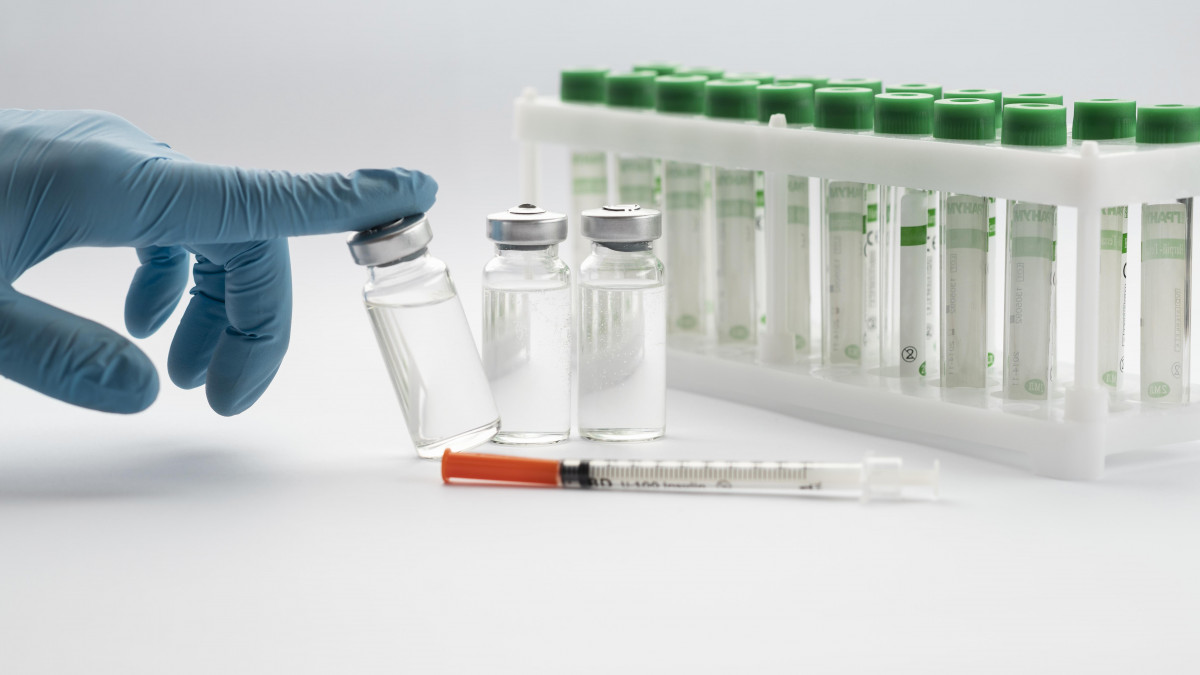

AS150 (150nm O/W Emulsion) & AS110 (100nm O/W Emulsion) & AS40 (40nm Transparent Nanoemulsion) Squalene Based Oil-in-Water Human Vaccine Adjuvants

SDA AS100
AS110 is 100 nm particle, the lowest particle size that still fully exhibits emulsion function. This is the first squalene based self-emulsifying oil-in-water adjuvant for use in human when injected intramuscularly or subcutaneously, as well as nasal spray. AS110 is between AS40 and AS150, with slight white color, it shows antigen-friendly in that it can be gently mix (low speed) with antigen at any temperature. It shows optimal low viscosity, syringeability, absorptivity, circulating and mobile deposit, safety, antigen presenting and immunogenicity.
AS110 is different from microfluidized emulsion in that AS110 itself is aqueous free oil phase and can be stockpiled many more years before formation of emulsion by mixing with antigen. The surfactant is synthesized and selected for each adjuvant by optimizing its hydrophilic-lipophilic balance, depending on the type of emulsion sought and the fatty phase selected. By the time the end vaccine is produced, or dilutable emulsion to be generated, only a simple, low speed stir mixing is needed to combine AS110 oil phase and antigen to generate uniformly dispersed, micron size oil droplets which ensure maximum emulsion stability and minimal viscosity. Micron size oil droplets also increase the surface area available to antigens. Such tiny particle size as 100 nm is impossible to reach by microfluidizing or homogenizing. Such fine tuned self-emulsifying technology reduced the undesirable side effects associated with microfluidized oil-in-water adjuvants, while eliciting the rapid and strong immune response.
oil-in-water self-emulsifying adjuvants functions by forming mobile deposit of antigen which can be circulated and targeted to immune cells for antigen specific response.
Proper addition of cationic lipids to AS110 leads to saRNA delivery system CAS110.
AS110 can be combined directly with antigen at 1:9 ratio, or can be made to 1:4 emulsion for end users to do further 1:1 dilution with antigen.

SDA AS40
AS40 is a range of ready-to-dilute adjuvants that generate clear formulation of vaccines. Those formulations are a combination of micro-emulsions with the particle size from 10 to 200 nm, with peak at 40 nm. AS40 can be combined directly with antigen at 1:9 ratio, or can be made to 1:4 emulsion for end users to do further 1:1 dilution with antigen.

AS40 is the only adjuvant that results transparent emulsion human adjuvants for effective therapeutic vaccines.
AS40 can be combined directly with antigen at 1:9 ratio, or can be made to 1:4 emulsion for end users to do further 1:1 dilution with antigen. It can be enriched by QS21 or other immune stimulants.


SDA AS150
AS150 is 150 nm particle, the typical particle size that still fully exhibits emulsion function and optical antigen presentation. This is the first squalene based self-emulsifying oil-in-water adjuvant for use in human when injected intramuscularly or subcutaneously, as well as nasal spray. AS150 is typical white color oil-in-water emulsion, it shows antigen-friendly in that it can be gently mix (low speed) with antigen at any temperature. It shows optimal low viscosity, syringeability, absorptivity, circulating and mobile deposit, safety, antigen presenting and immunogenicity.
AS150 is different from microfluidized emulsion in that AS150 itself is aqueous free oil phase and can be stockpiled many more years before formation of emulsion by mixing with antigen. The surfactant is synthesized and selected for each adjuvant by optimizing its hydrophilic-lipophilic balance, depending on the type of emulsion sought and the fatty phase selected. By the time the end vaccine is produced, or dilutable emulsion to be generated, only a simple, low speed stir mixing is needed to combine AS110 oil phase and antigen to generate uniformly dispersed, micron size oil droplets which ensure maximum emulsion stability and minimal viscosity. Micron size oil droplets also increase the surface area available to antigens. Such tiny particle size as 150 nm is impossible to reach by microfluidizing or homogenizing. Such fine tuned self-emulsifying technology reduced the undesirable side effects associated with microfluidized oil-in-water adjuvants, while eliciting the rapid and strong immune response.
oil-in-water self-emulsifying adjuvants functions by forming mobile deposit of antigen which can be circulated and targeted to immune cells for antigen specific response.
Proper addition of cationic lipids to AS110 leads to saRNA delivery system CAS110.
AS150 can be combined directly with antigen at 1:9 ratio, or can be made to 1:4 emulsion for end users to do further 1:1 dilution with antigen.
